Armath's STEM Program Overview

Curriculum Components​​

Main

Additional

Basic Programing

Robotics

Advanced Programming

3D Modeling and Printing

CNC Laser and
Drilling Machine

Electronics

Educational Program

Basic Programming

Scratch & Modified Version Aghues:
– Creating simple computer games
– Creating and using animations
– Applying physics laws
Kria:
– Applying mathematical algorithms
– Performing arithmetic calculations
– Visualizing algorithmic tasks using mathematical formulas

Robotics

Basic Robotics:
– Assembling simple robot kits
– Programming line following robots
– Using K-turtle and Kria programs for robot programming
Advanced Robotics:
– Assembling SERob robots
– Connecting Robots to PCs, laptops, tablets, or smartphones
– Creating basic programs for robots using Aghues and Kria, building on skills acquired in the first stage
– Designing and programming robots with functions such as line tracking, object detection and sorting,
obstacle avoidance, and other movement behaviors like escaping or attacking

3D Modeling and Printing with 3D Printer

– Learning and exploring the technical structure of 3D printers
– Printing modeled objects
– Understanding the stages of the printing process
– Creating STL and code files for 3D printers
– Learning FreeCAD and OpenSCAD modeling program

Vector Graphics Modeling with CNC Drilling and Laser Machine

– Learning the Inkscape modeling program
– Learning of HeeksCAD and HeeksCNC programs
– Understanding bCNC program for CNC machine control
– Creating objects by drilling and laser cutting

Advanced Programming

– C, C++ working with Arduino microcontroller
– Making robot and IOT devices
Python:
– Working with raspberry pi and Serob controller
– Making robot and IOT devices
– Solving mathematical problems

Armath Airborne (UAV)

– UAV schematic model making
– UAV type model making
– UAV composite model assembly
– Helicopter type aircraft assembly (copter)

Technical equipment and programs

Armath Linux operational system

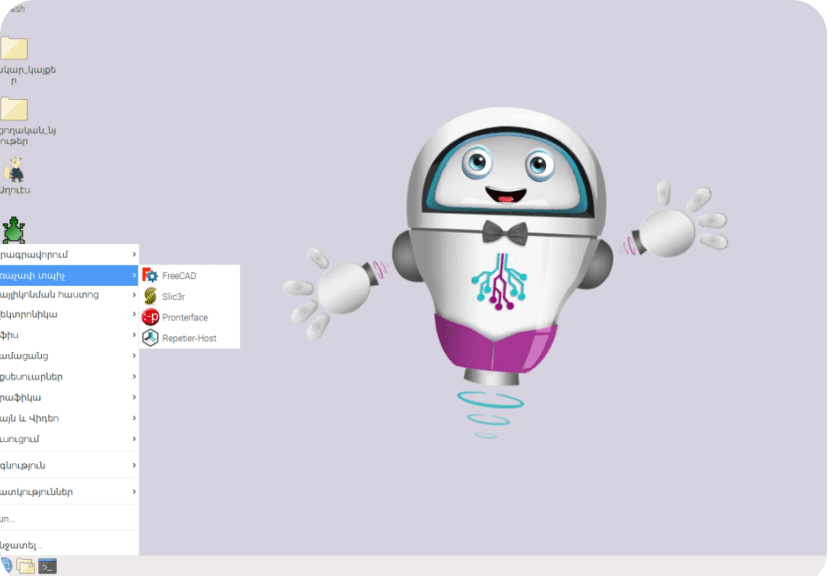
Armath PI is based on the Linux/Debian Raspbian-stretch operational system. This operational system was created for Armath engineering laboratories by the consortium of Companies – Nairi. The interface of the operational system, as well as the software packages are in Armenian language and adapted for Armenian kids

3D Printer

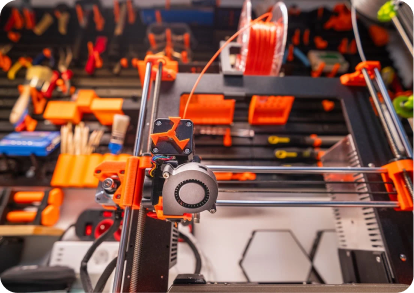
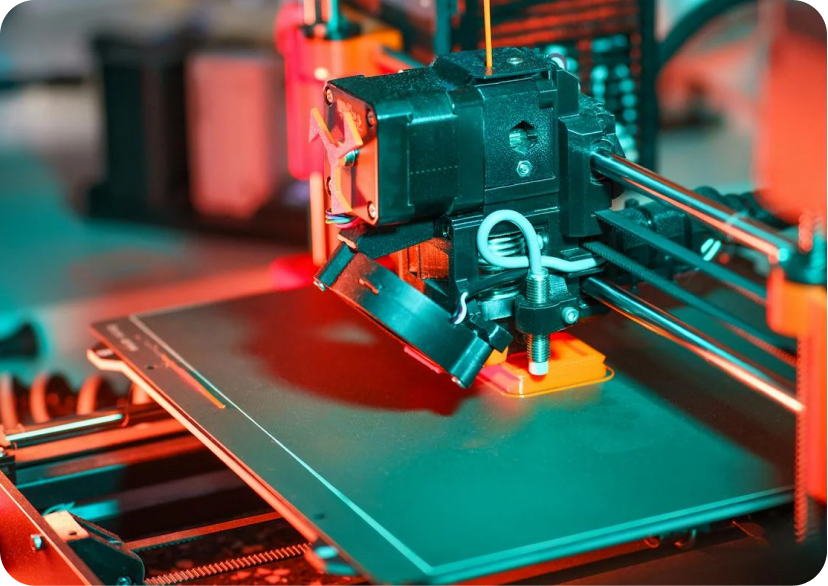
Digital modeling allows you to create three-dimensional models of any objects and details. Students can print objects and parts that they have modeled using a 3D printer, allowing them to create and assemble new 3D printers, print cases for mini computers, as well as other devices and items.

Computer Controlled CNC devices

It carvings on wood, lanterns, ABS, and other materials based on pre-modeled text, object, detail, etc. This machine allows students to have experience in engineering and modeling, and to be able to create items and details, which are used in the manufacturing process.
SERob Robot Kit

This Robotics kit allows:


 – to learn and teach the basic principles of robotics

 – to make automatization of processes

 – to plan and solve various engineering problems

 – to organize national and international competitions, as well as to participate in international robotics events

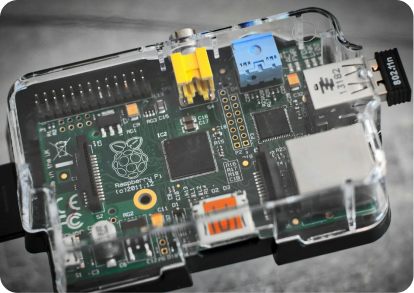
Mini-computers Aygestan

The computers that are packaged in Armenia are compact, lightweight
and universal, can be connected to Internet (LAN, Wi-Fi). They are
using for learning  Aghues/Scratch, K-turtle/Kriay and other computer
programming languages. After programming the mini computers can
also be controler of robots.

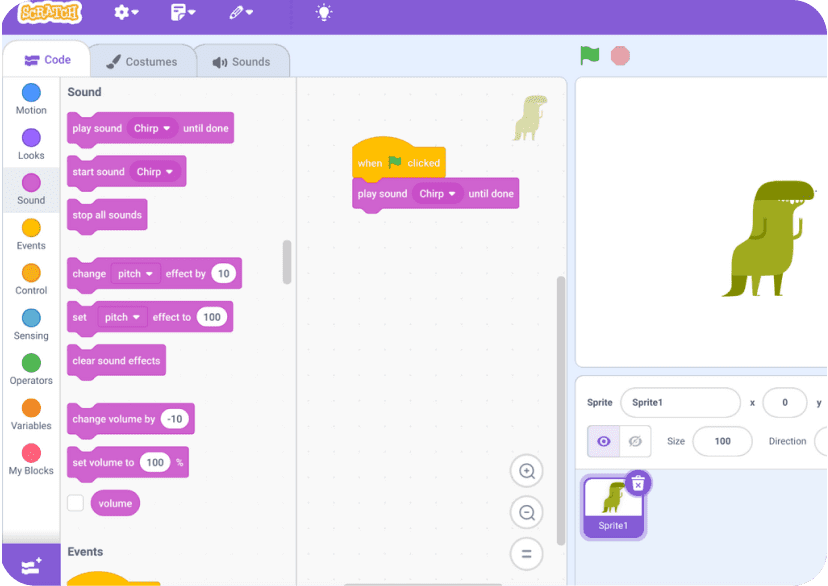
Aghues

Aghues is a visual programming environment and a toolkit, that lets kids make games,
animated stories, interactive art, as well as share their creations with others on the Net.
It is enhanced with modules that support sensors, motors, and robots board.
The underlying program is an adaptation of the Scratch environment, developed by MIT.

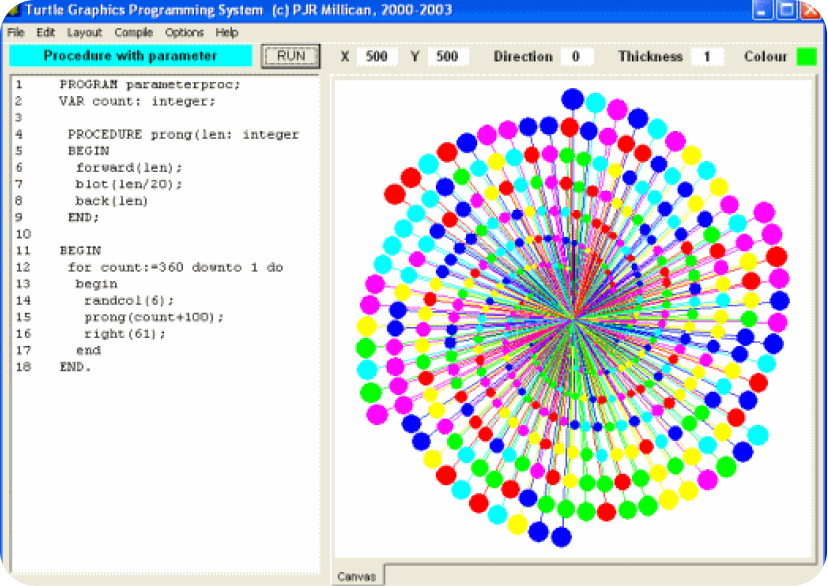
Kria

Kria is an adaptation of MIT’s Kturtle, an educational programming environment
Kria is suitable for teaching kids the basics of maths, geometry and programming.
One of the main features of Kria is the ability to translate commands into the
standard markup language(HTML), but the result can be saved as a vector or
transparency image(SVG, PNG).

Resources

Access basic videos, practical files, and easy-to-follow materials designed to help build strong foundations in robotics, programming, and engineering.

Action plan​​

The project process consists of  5 stages:

Selection of the venue and the coach

Training of coaches

Armath lab installation

Monitoring and consulting

Participation of Armath students in contests, expos and camps

E-learning​​

Programing

Robotics

3D Modeling
and Printing

CNC Laser
and Drilling Machine

Radioelectronics

UAV

Distance learning

Software packages

Training methodology

Program implementation & development of the methodology in Armenia is driven by the Union of Advanced Technology Enterprises.

“UATE PowerHouse”

Khorenatsi 28, 3-rd floor, Yerevan, Armenia

(+374) 11 54 88 81
Info@armath.am